

9 Types of Horses with Hairy Feet
There’s just something about horses with feathered feet that give them that added charm and elegance.
However, what you might not know is that this hair doesn’t actually grow on their feet. The hair on the legs of most draft breeds is often long enough that it extends down over their hooves. This is what gives them this feathered appearance.
So, which breeds are most often referred to as feathered horses? Let’s look at some of the most common.
9 Types of Horse Breeds with Hairy Hooves
While the majority of horses with feathering are draft breeds, not all draft breeds have this feature.
1. Shire horse
Originally bred for farming and industrial work, Shire horses are some of the world’s tallest.
Despite their size, they actually have a very calm and cooperative demeanor. And while their feathered feet look beautiful, they come in handy in harsh conditions. Most Shires have a bay or brown coloring, but grey, black, and chestnut breeds are also common.
2. Friesian horse
You will often find Friesian horses performing in dressage and show arenas. They have a striking appearance that includes a shiny coat, flowing mane and tail, and feathered feet.
Fresians are the people pleasers of the horse world, and even though they’re born performers, they’re more than capable of pulling carriages. In fact, they were often used as war horses in the past.
3. Clydesdale horse
Originally from Scotland, the Clydesdale is built for strength and action. They were most often used for hauling heavy loads and hard work on farms.
While they have similar coloring to Shires, Clydesdale horses are much smaller. Their feathering also tends to have a silkier texture. This particular breed has an outgoing and friendly personality, making them popular choices for riders.
4. Gypsy horse
Another one of the most common feathered breeds is the Gypsy horse, also referred to as the Irish Cob.
This muscular breed was developed by the Romani people to pull their wagons, so while they are beautiful, they are also strong with a very sweet temperament. Because the bloodlines of this breed are fairly mixed, their height and weight tend to differ quite significantly.
5. Fell pony
Known for its sturdy but smaller build, the Fell pony hails from the mountains of England. However, don’t let its appearance fool you; it’s still strong and capable.
The long hair on its legs and feet makes it easier for this breed to cope with wet, demanding landscapes. Their agility and intelligence also serve it well. Fell ponies are excellent companions for equestrian sports and general riding.
6. Dales pony
Another type of pony that is resilient and ready to please is the Dales pony. Known for its thick, long mane, this horse breed is friendly, smart, and ready to work hard.
They’re particularly popular among outdoor enthusiasts looking for domestic horses. They’re able to navigate rough terrain with no complaints but are great for competitive sports too.
7. Ardennes horse
Ardennes horses are one of the oldest draft breeds and are known for their stocky appearance. You can expect powerful legs, broad shoulders, and light feathering.
Not only is this breed hardworking, but it’s also one of the calmer breeds. Where they were once a top choice for those going into battle, today, they’re seen out on gentle rides or pulling their weight in a working environment.
8. Belgian Draft horse
Even though these horses are muscular and strong, they’re also some of the most graceful, which means their feathered legs suit them perfectly.
Originally from Belgium, this breed has a kind nature but is still willing to work. When they’re not pulling carts or doing farm work, you will often find them in shows and parades.
9. Icelandic horse
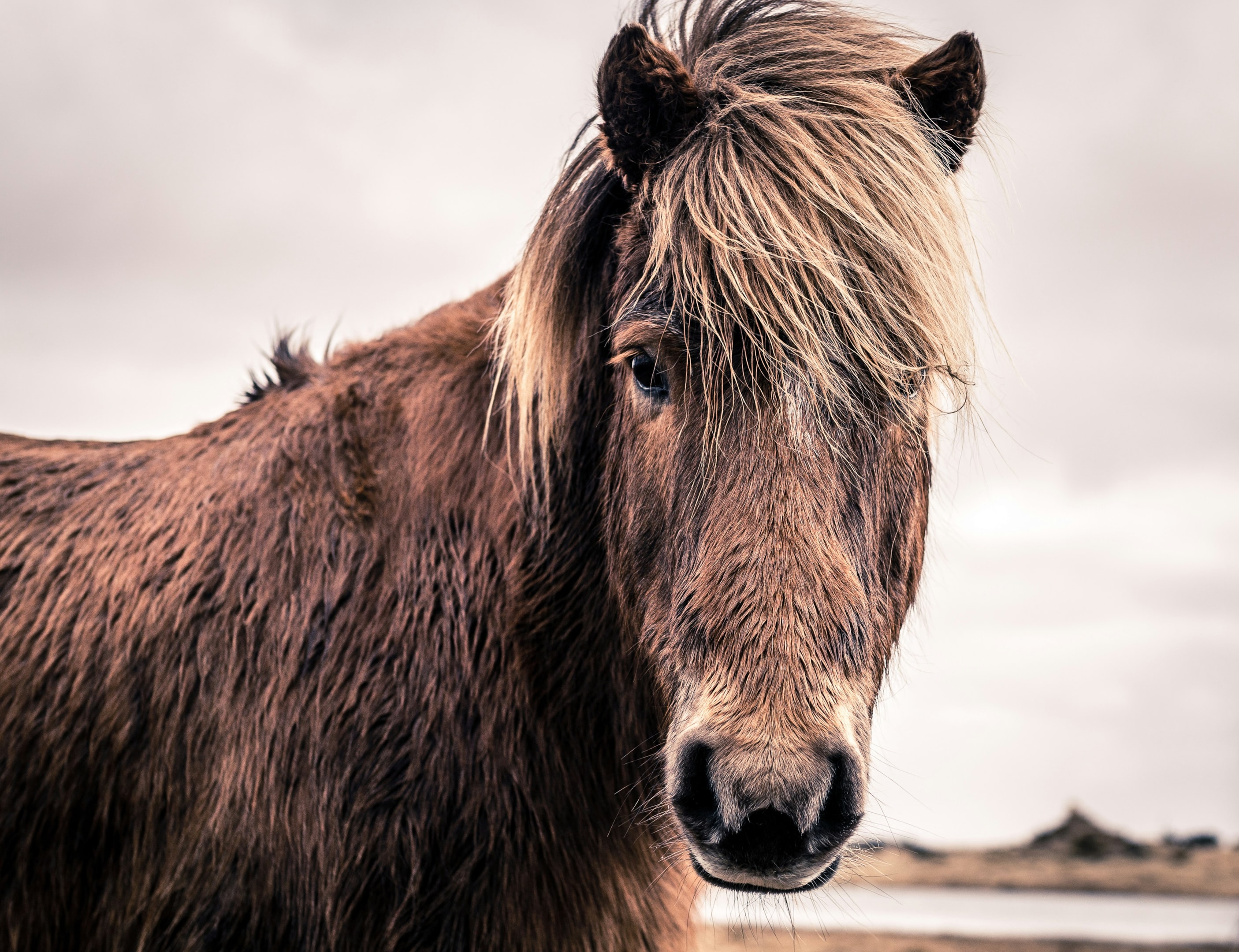
Specifically built for cold climates, this beautiful breed is friendly and intelligent. The long hairs on their lower legs keep them warm in cold weather but also add to their appeal.
Ideal for both riding and competitions, Icelandic horses stand an average of 13 and 14 hands tall.
Why Horses Have Feathering
There are two main factors that determine whether a horse has feathered feet: bone density and origin.
- Bone density: Horses without feathered feet tend to have thinner bones. However, breeds with high levels of draft blood are far more likely to have hairy legs and feet.
- Origin: Horses originating from countries with colder climates are far more likely to have feathering. This hair helps protect the horse against cold, wet, and muddy terrains.
FAQS
Do feathered hooves require special care?
Yes, they do. The thick hair around the hooves can trap moisture, mud, and debris, which can cause skin infections like scratches or fungal issues. Regular cleaning and grooming is a must. You may also need to trim the feathers and inspect the hooves more frequently to prevent problems.
Which horse breeds have the most hair?
Breeds like the Gypsy Vanner, Clydesdale, Shire, and Friesian are known for having the most hair, especially around their hooves, manes, and tails. These breeds often have long, flowing manes and thick feathering on their legs, giving them a more majestic appearance.
Do horses enjoy having their hooves trimmed?
Horses don’t typically enjoy having their hooves trimmed, but with regular handling and proper training, most become comfortable with the process. A good farrier and a calm environment can make the experience more tolerable for the horse.
Final Thoughts
Horses with hairy feet are not only visually striking but are often well-suited to a variety of tasks. Each breed brings unique characteristics and charm, whether it’s the impressive strength of the Shire or the gentle nature of the Gypsy Vanner. If you’re considering one of these breeds, knowing their needs and traits will ensure a strong and healthy partnership.


