
The Best 20 Horse Idioms You Need To Know
Ever wondered why there are so many horse-related idioms? What exactly does it mean to put the cart before the horse? Well, we have all the answers – straight from the horse’s mouth.
In this article, we have 20 of the most commonly used horse idioms, as well as their origins and meanings. We know you’re chomping at the bit, so let’s get started.
Why Horse Idioms Are So Popular
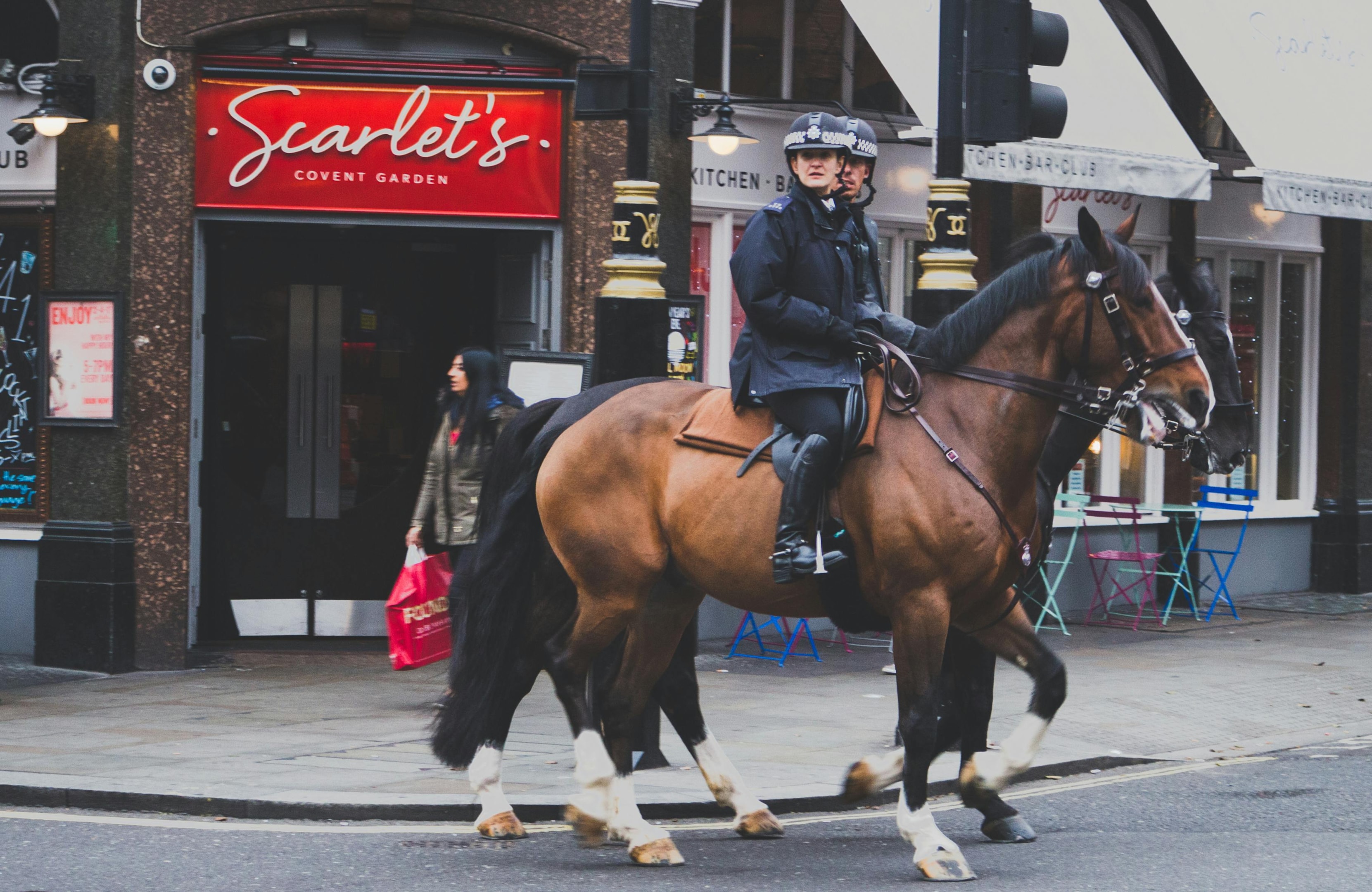
Horses have played a major role in human civilizations across the world for millennia. At one point they were crucial to transporting people and goods around the country. Then, when cars arrived on the scene, they readjusted their role, now serving as companion animals and used for sporting activities. Considering this, it should come as no surprise that they’ve found their way into everyday language.
Just like dogs, considered to be “man’s best friend,” horses have a unique connection with people. The traits and symbology surrounding horses, like strength, freedom, and grace, resonate so intensely with people. This is what has resulted in the large volume and variety of horse idioms, metaphors, and jokes in the English language.
Popular Horse Idioms and Their Meanings
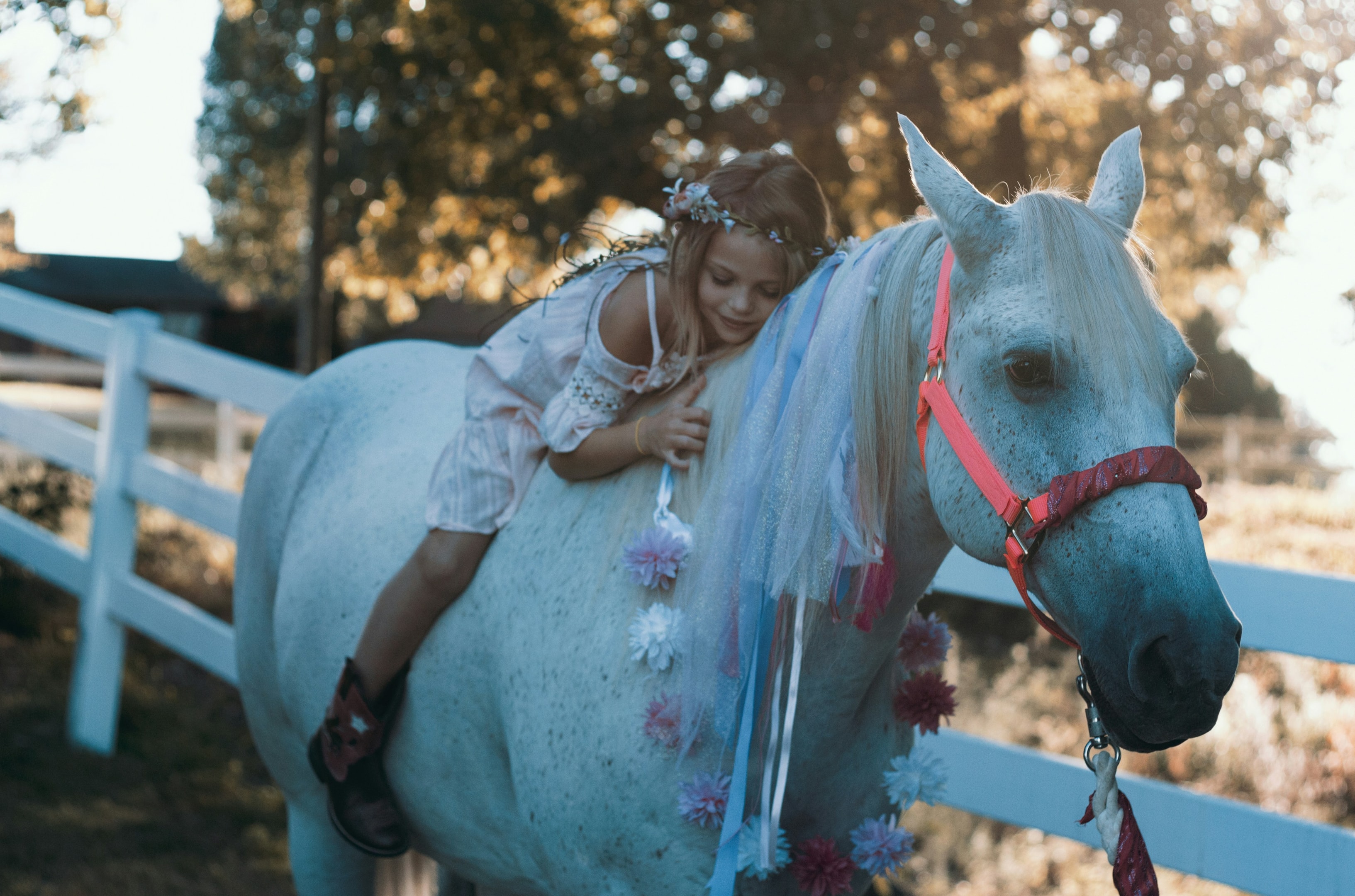
- Don’t look a gift horse in the mouth: This saying might seem confusing but it basically means that you should not be ungrateful for a gift you receive. The origins of this phrase go back to when horses were essential to everyday work and survival. A person looking to purchase a horse would inspect the horse’s teeth to assess the animal’s age and general well-being. If someone were to give you the gift of a horse, it would be rude to inspect it.
- Horse around: You may hear someone say “Quit horsing around.” This means to stop acting silly or to stop with the rowdy play.
- A one-horse race: This phrase describes a situation where there is no competition. Literally, a one-horse race.
- Get off your high horse: When this idiom is used, the person is telling another person to stop acting self-righteous and superior to others. Throughout history, being atop a horse was a status symbol because you were seated higher than someone standing. In medieval times, often only the wealthy nobles could afford a horse.
- Don’t beat a dead horse: This idiom essentially means that no matter how much you argue or strain, your efforts are wasted. The saying first appeared as 17th-century English slang and probably had some connection to the awful treatment of workhorses at the time. A variation of this saying is “There’s no point flogging a dead horse.”
- Straight from the horse’s mouth: When a person receives news “straight from the horse’s mouth” they mean they have information directly from the source.
- Don’t put the cart before the horse: This is a way of saying you’re doing things in the wrong order. Just like the chicken before the egg, you need the horse to pull the cart.
- Too late to shut the stable door after the horse has bolted: This phrase is often used in situations when preventative measures weren’t applied and the damage is done. If you forget to close the stable door and the horse runs away, there’s no point closing the stable door now. And we know just how fast a horse can run.
- As hungry as a horse: This phrase means that the person is very hungry and will probably eat a lot in one sitting. Someone may also use “Eats like a horse.” This saying comes from the notion that horses have big stomachs and therefore, eat a lot (which you can probably agree if you’re paying for horse feed).
- You can lead a horse to water, but you can’t make him drink: You can provide a person with all the opportunities they need but you can’t force them to take action. That is something they must decide on their own. Just like providing water for your thirsty horse, sometimes they just stand there and look at it.

- A one-horse town: The term one-horse town refers to a town that is small and boring, with very little to do.
- Been put out to pasture: If you describe a person as having “been put out to pasture” it may mean they’ve retired or they’re taking a break. When a horse is off work or it’s out of season they will be put out in the pasture and left to graze. The alternative is when they’re in heavy work they spend their evenings in the stables where they can be easily accessed.
- No sense like horse sense: Horses are a strong symbol of wisdom and you’ll hear people say “There’s no sense like horse sense.” This essentially means that you could use some practical thinking and good judgment.
- Wild horses couldn’t drag me away: You may hear this phrase in everyday conversation when somebody is highly engaged in what they’re doing. They will say something like “I’d love to come to the party but wild horses couldn’t drag me away from work at the moment.” If the strength of a mob of wild horses can’t move a person, there’s nothing that can.
- He’s a dark horse: A dark horse refers to a player or candidate about whom there is little information. When a race commentator describes a competitor as a dark horse, they mean that anything could happen. Used figuratively, it means someone unsure about a person’s performance and capabilities.
- Backed the wrong horse: This is a reference to horse racing and betting on a losing horse, or, the wrong horse. You can use this in a sentence anytime a choice proves to have a bad outcome.
- Charley horse: This phrase is used to describe a muscle cramp, first used in 1886 in a West Virginia newspaper.
- To chomp (or champ) at the bit: This phrase indicates impatience, just as an impatient horse who’s been standing too long will chomp on the bit out of frustration.
- Free rein: Sometimes you will hear a person say they’ve been given “free rein” which means they’ve been allowed the freedom to do as they please. This comes from the riding term where you give the horse a free or loose rein so they can relax and stretch their neck.
- Get back in the saddle: When someone has endured a setback you may hear the term “Get back in the saddle.” This is an encouragement to pick yourself back up and try again. Horse riders know this all too well. If you fall off, you have to get back on (unless of course, you’re injured).
FAQs
What is an idiom?
An idiom is a saying or expression that has a figurative meaning instead of a literal translation. For example, the common horse idiom “Straight from the horse’s mouth” doesn’t mean you have literally taken something from a horse’s mouth. It refers to news or information that is direct from the source or firsthand.
What is a common metaphor for a horse?
Horses are often associated with strength, freedom, and gracefulness. As a result, a common metaphor used to describe a horse is a “beast of burden”, which relates to the horse’s historical role in transporting heavy loads.
Why are there so many horse-related idioms?
Horses have played an integral part in society throughout history. It’s for this reason that they have found their way into everyday English language and idioms.
Final Thoughts
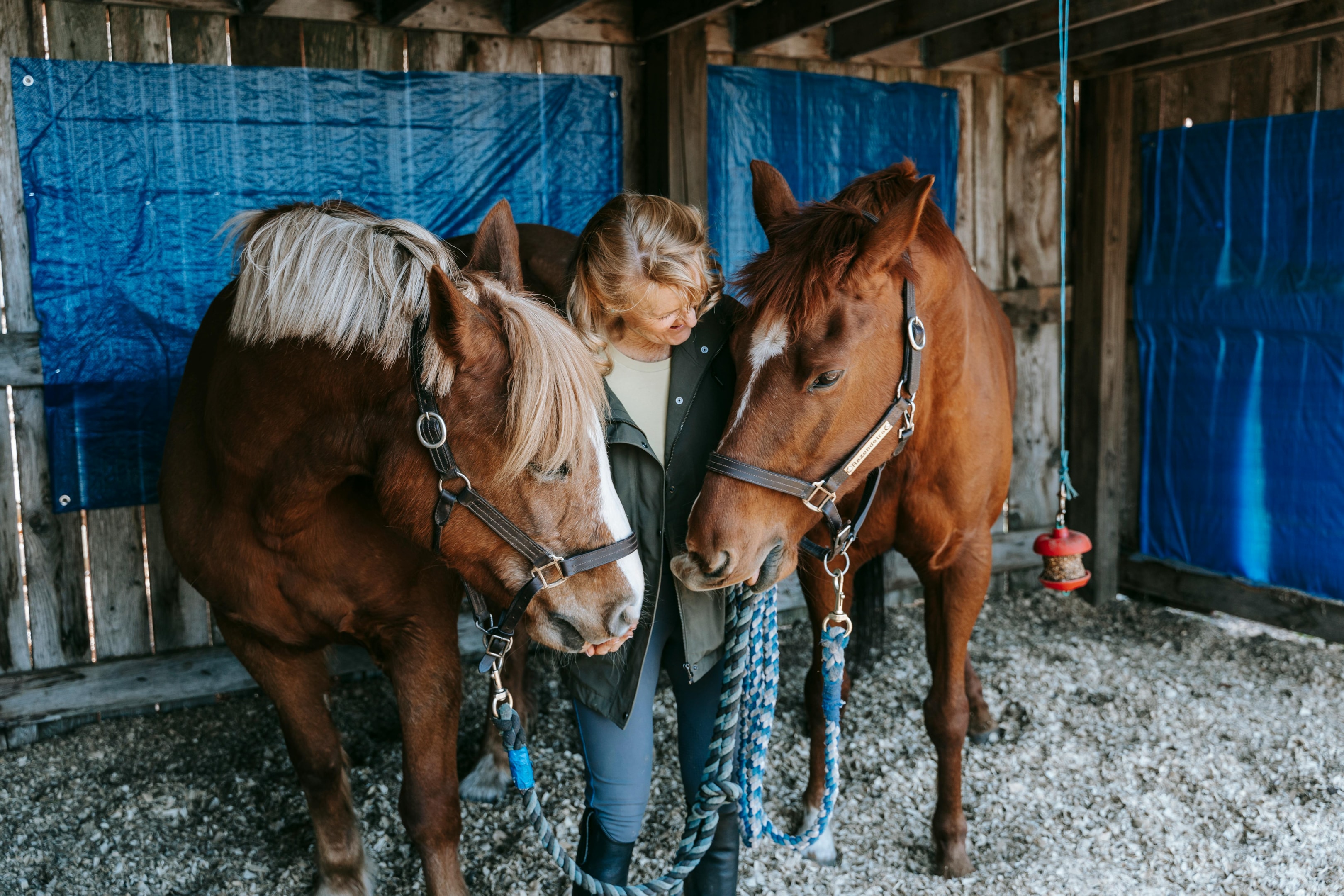
There you have it, 20 quirky and thought-provoking horse idioms to satisfy your curiosity. These idioms remind us to be grateful for gifts given out of kindness and remain resilient through setbacks. The longstanding relationship between horses and humanity is evident in these age-old idioms.
If you want to learn more quirky facts from the horse’s mouth, find out why horseshoes are considered lucky.


