

How Much Does A Racehorse Cost?
On average, purchasing a racehorse costs between $75,000 and $300,000, although the price will depend on various factors.
To help you make a more informed decision, we’ve put together this guide on everything influencing racehorse prices, from pedigree to age, as well as how much it costs to maintain a racehorse.
How Much Does A Racehorse Cost?

In the US, the price of a racehorse generally starts at around $75,000 and can reach upwards of hundreds of thousands of dollars. Prices vary based on factors such as the horse’s pedigree, where you purchase it, its age, and the horse’s previous earnings (if any).
What Factors Influence The Cost Of A Racehorse?
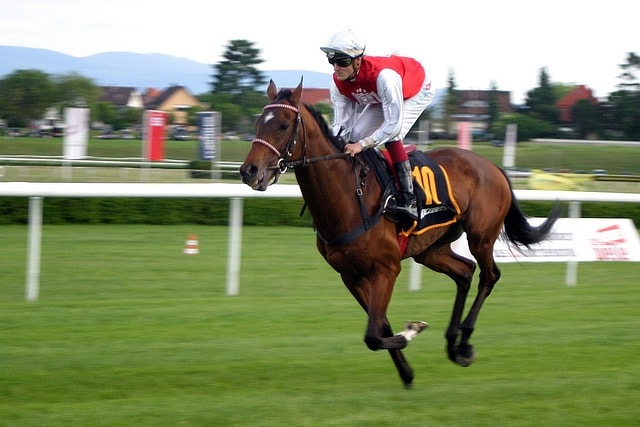
Pedigree
For a championship-quality thoroughbred horse, expect to pay at least $100,000-$300,000. For a horse without a strong pedigree, you’re looking at a few thousand dollars.
Genetics is one of the biggest determiners of whether a horse will be successful in a horse race. This is the main reason why the offspring of famous racehorses generally sell for a much higher price than those of any “regular” horse without a strong racing pedigree.
This poses a bit of a dichotomy. A racehorse owner must decide between buying a horse that isn’t of known parents for a much cheaper fee, which may risk its chance of being a winner, or paying higher amounts for a horse with winning parents.
Location of purchase
Racehorses purchased from locations synonymous with world-class breeding and training centers, such as Kentucky, Florida, or California, will cost more. Due to the facilities and the high-quality racehorses that come from these areas, demand is also higher, pushing up the price even more.
On the other hand, racehorse prices are generally lower in states like Indiana, Arkansas, Ohio, and Louisiana. These areas have less established horse racing scenes, meaning demand is lower.
Additionally, some breeders or auctions have built an impressive reputation, and getting a horse from such places will add to its value. If you were to get your horse from a lesser-known auction or claim race, you may be able to get a better deal.
Age
- Yearlings (one year): $50,000 – $150,000 on average
- Two years: $20,000 – $75,000 on average
- Three years: $30,000 – $150,000 on average
- Older horses (4+ years): $10,000 – $50,000 on average
Many racehorses begin their racing careers at the age of two, reaching their peak performance between the ages of three and five.
This makes a younger thoroughbred racehorse (yearling or two-year-old) a more riskier investment but with a higher potential for appreciation. On the other hand, horses between two and four with proven racing records are generally more expensive but offer a more predictable return on investment.
Older horses (4+), are generally coming to the end of their racing career, meaning they won’t fetch as high prices as this is when they’re more prone to injury.
The horse’s earnings
Horses with substantial career earnings, especially those who have won major stakes races (like Grade 1 events), are highly sought after. As a result, their prices can range from hundreds of thousands to millions of dollars, depending on the level of success and potential for future earnings.
These horses generally cost more than those who have only won maiden or allowance races.
However, it’s not just the stakes race wins that influence their price, but also their consistent earnings. A once-off race winner won’t cost as much as an undefeated champion.
How Much Does It Cost to Own A Racehorse?

On average, it costs around $30,000 to $100,000+ to own a racehorse in the US.
Let’s break down these costs in more detail:
Boarding costs
Annual cost: $6,000 – $30,000+ per year
The costs of boarding a horse depend on a few factors:
Location
- Areas like Kentucky, California, and Florida generally have higher boarding costs due to increased demand and premium facilities.
- Boarding costs may be lower in more rural areas, but access to quality training facilities and veterinary care may be limited.
Level of care
- Full-service boarding ($1,000 – $2,500+ per month): Includes all aspects of care, such as feeding, grooming, turnout, and basic veterinary care.
- Partial-service boarding ($300 – $1,200 per month): Owners may be responsible for some aspects of care, such as feeding or grooming, which can lower costs.
Amenities
Additional amenities catered to racehorses, like swimming pools, hot walkers, or specialized training equipment, can increase boarding costs over a more basic facility.
Feeding costs
Annual cost: $5,000 – $10,000 per year
Here are some of the key factors that influence the costs of a racehorse’s diet:
- Type of feed: High-quality feeds, supplements, and specialized diets can be expensive.
- Amount of feed: The amount of feed required varies depending on the horse’s size, weight, and activity level.
- Hay quality: High-quality hay is essential for a horse’s health and can be a significant expense.
- Special diets: Horses with specific dietary needs, such as those with digestive issues, may require specialized feeds and supplements.
Healthcare and vet costs
Annual cost: $15,000 – $50,000 per year
Healthcare costs for racehorses can vary significantly based on vet visits, farrier services, and unexpected emergencies.
- Routine vet care: $300 – $600 per month
- Farrier services: $75 – $150 every four to six weeks
- Emergency care: $500 – $10,000+
Training costs
Annual cost: $10,000 – $50,000+ per year
Training a racehorse is one of the most crucial factors to ensure its success on the track. Here are some factors that can influence the price of training:
- Horse trainer fee: This is the primary cost, typically charged on a daily or monthly basis. Top trainers can charge upwards of $100 per day, while less established trainers may charge less.
- Training facility: Costs vary depending on the location, quality of the facilities, and level of service provided.
- Level of competition: Training for higher-level races (stakes races, graded stakes) often incurs higher costs.
Insurance costs
Insurance is vital in the racing industry; however, the amount you pay will depend on your horse insurance company, add-ons, and policy.
Here’s a general idea of the cost range:
- Mortality insurance typically ranges from 2.5% to 4% of the horse’s insured value annually. So, if your horse costs $75,000, you’d be looking to spend $1,875 to $3,000 annually on insurance.
- Major medical insurance can range from $200 to $600 or more per year, depending on the coverage limits and deductibles.
Registration costs for events
The average registration costs or entry fees for horse races in the US vary widely depending on the specific show or event. For example, major stakes races and prestigious events often have higher registration fees.
Here’s a brief guide to the cost range:
- Smaller local races: $50 – $200
- Larger regional or national races: $500 – $5,000+
- Prestigious stakes races: Tens of thousands of dollars. For example, entering the Kentucky Derby costs around $25,000, plus nomination costs of around $600 – $6,000, depending on when your horse is nominated.
How Much Does A Racehorse Cost in The UK?
The cost of a racehorse in the UK ranges from around £5,000 to several hundreds of thousands of pounds. On average, you would be looking at paying an initial price of £15,000.
Here’s a breakdown of the additional costs of owning a racehorse in the UK:
- Boarding: £129 – £257 per month, depending on the type of facility
- Feed: Around £100 per month
- Vet: £50 – £100 per month
- Farrier: £50 – £100 per month
- Training: £1,500 – £3,000 per month
FAQs
Who is the most expensive racehorse?
Selling for a steep price of $70 million, Fusaichi Pegasus holds the title of the most expensive racehorse.
How much does a horse owner get for winning a race?
The amount a horse owner receives for winning a race depends on several factors, including:
- The size of the purse
- The horse’s finishing position
- Trainer’s and jockey’s share
- The racing jurisdiction and the rules of the particular race
Generally, if your horse wins a race, you could be looking at receiving 60% of the purse.
Is owning a racehorse profitable?
Yes, owning a racehorse can be profitable. Racehorses are an equity investment, so you wouldn’t only be looking at race-winning profits but also any profit made post-career.
Final Thoughts
Racehorse ownership is an expensive endeavor, with costs ranging from initial purchase to ongoing monthly management fees.
Thorough research and careful budgeting are crucial for success in this exciting but challenging field.


