

Chestnut Horse Vs Sorrel: What’s The Difference?
Depending on where you’re from, it may not have even occurred to you that there is a difference between a chestnut horse and a sorrel horse. Many would argue that there is no difference, while others say the opposite.
Interestingly, both of these statements are true. Genetically, these horses are the same, but their coloring is what sets them apart. Technically speaking, sorrel is a subcategory of chestnut horses. But is that where the differences end? Let’s find out.
Chestnut Vs Sorrel: The Similarities
Genetically, chestnut and sorrel horses are the same when it comes to their coloring. There are only two base colors for horses: black and red. All other coat colors are modified from these.
Chestnuts and sorrels carry two copies of the recessive gene for the red coat color pigment. This gene prevents the production of black pigment in the horse’s hair.
Chestnut Vs Sorrel: The Differences
While chestnut and sorrel refer to horses with red coats, the hues and shading are where most people see a difference. Let’s explore other factors such as breeds, breeding, and costs, that may hold key differences.
Terminology and usage
“Sorrel” and “chestnut” may be used interchangeably, but there are regions with specific preferences for the terminology.
- “Chestnut” is predominantly used in English-speaking countries.
- Whereas “sorrel” is mostly used in Western riding and is common amongst Quarter horse enthusiasts.
The American Quarter Horse Association classifies sorrel horses as a type of chestnut but with a reddish copper tone. However, other organizations may class both as red horses.
Coloring
The coloring of chestnut and sorrel horses accounts for their similarities and their differences.
Chestnut horse
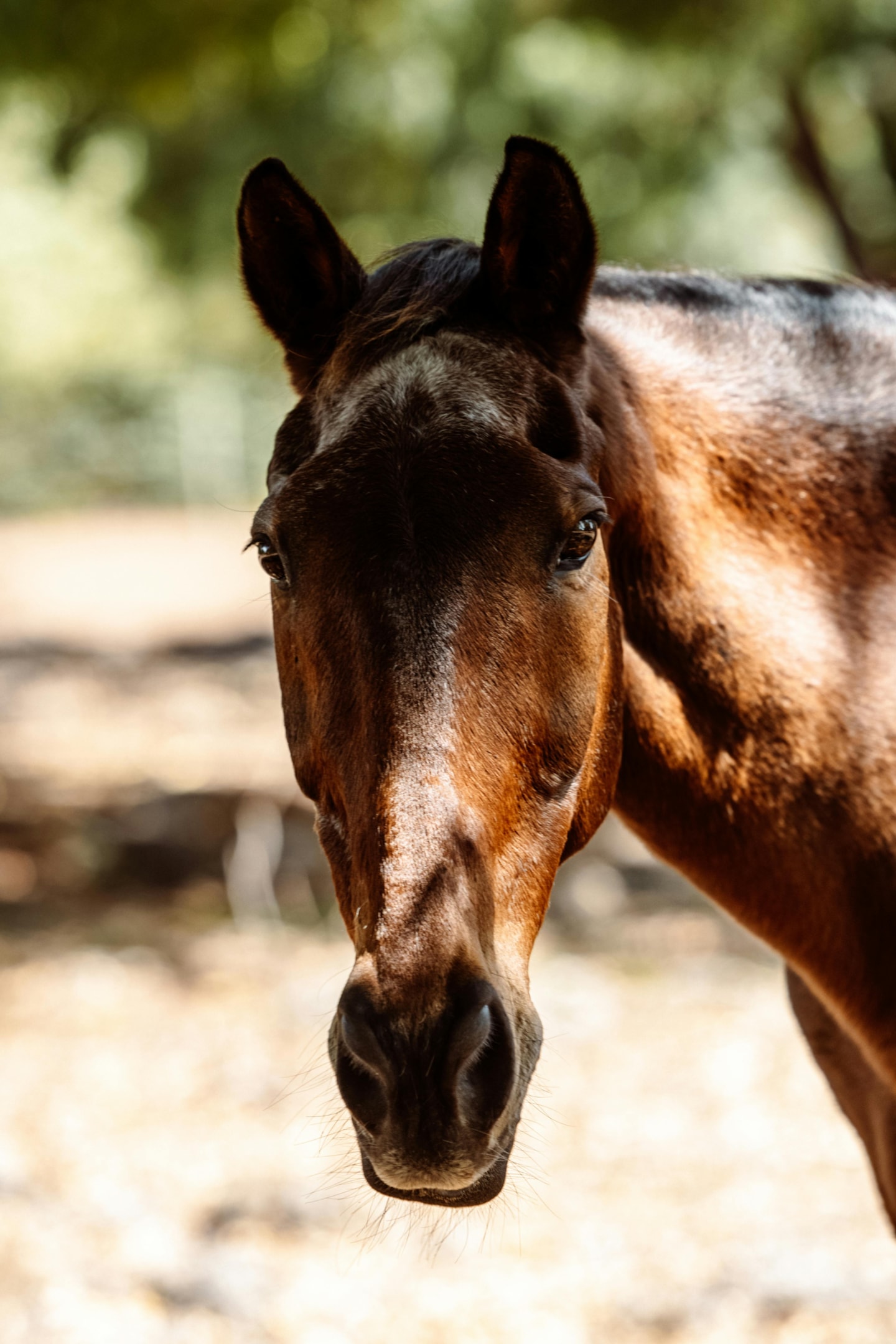
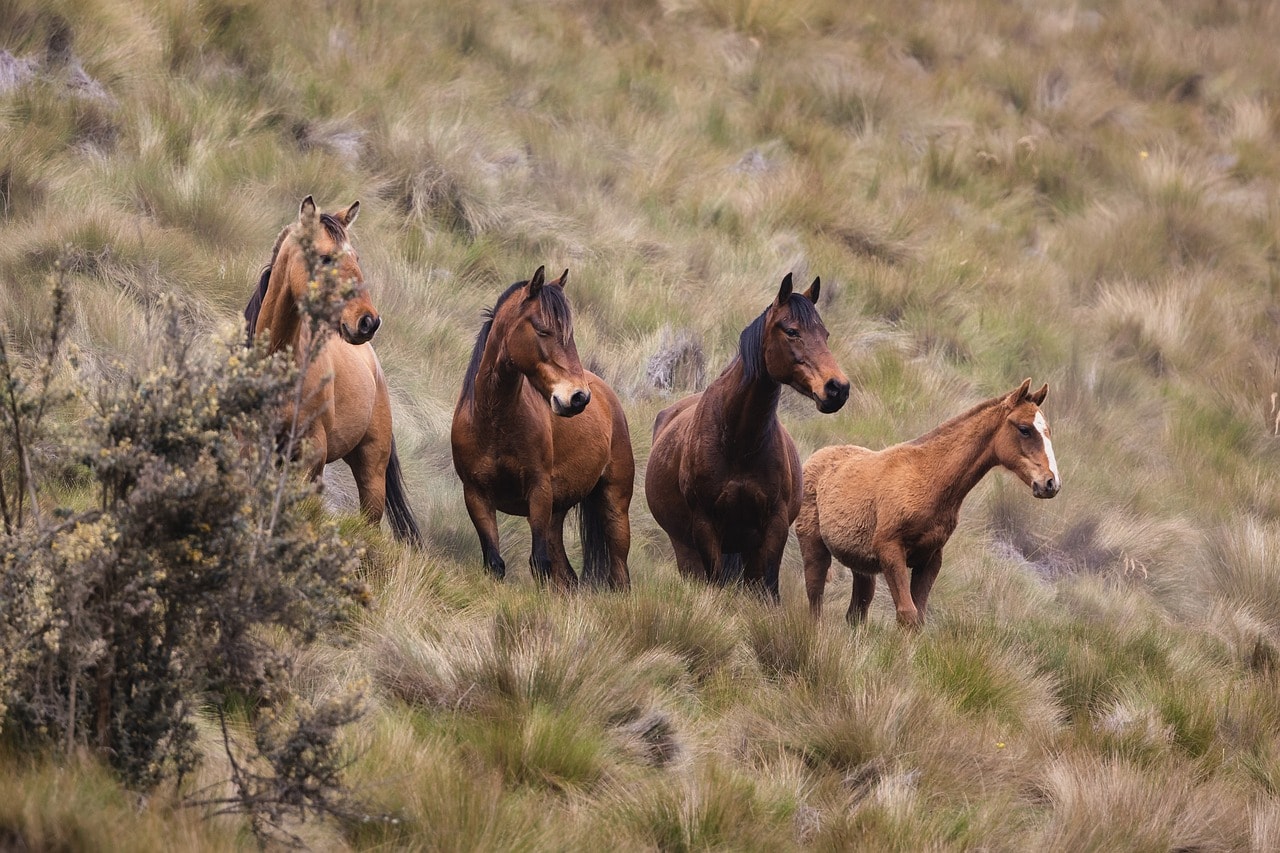
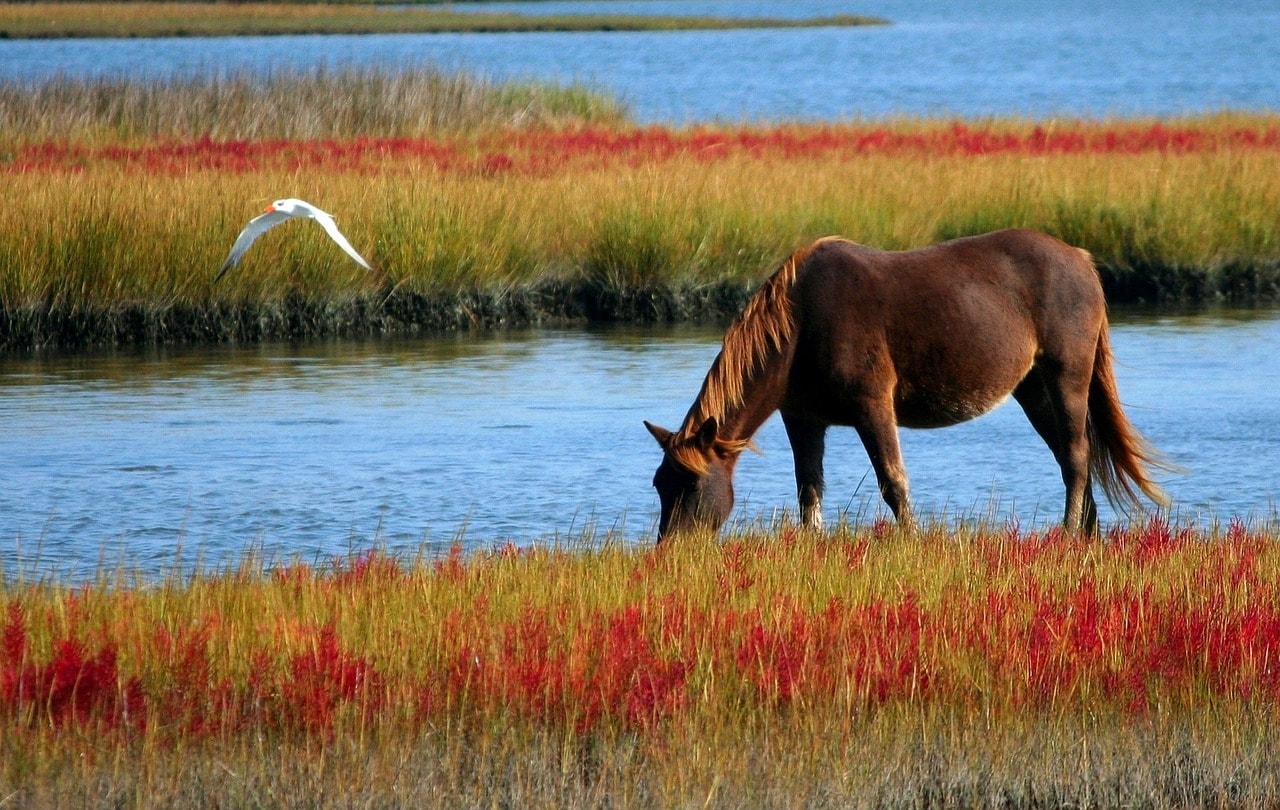
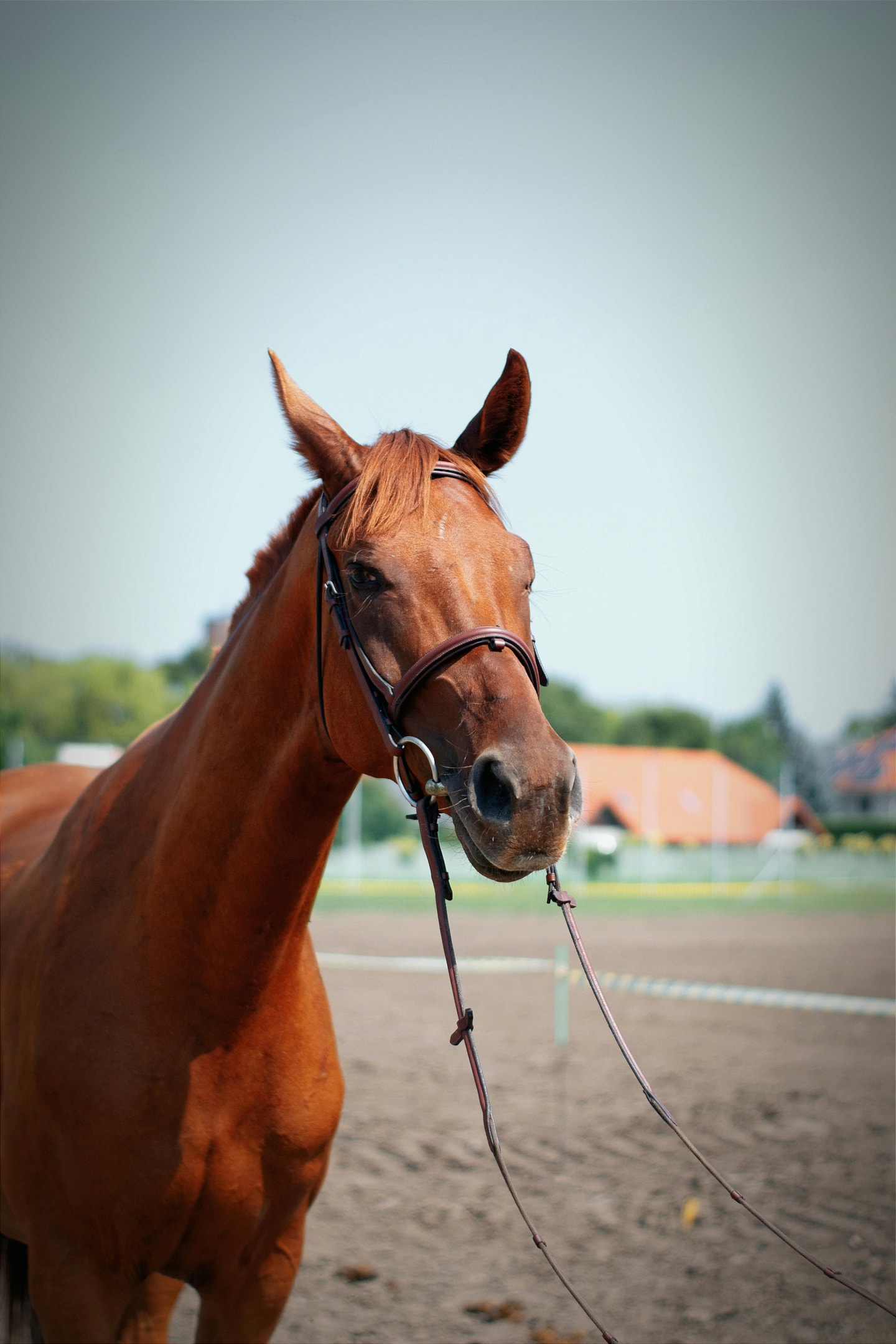
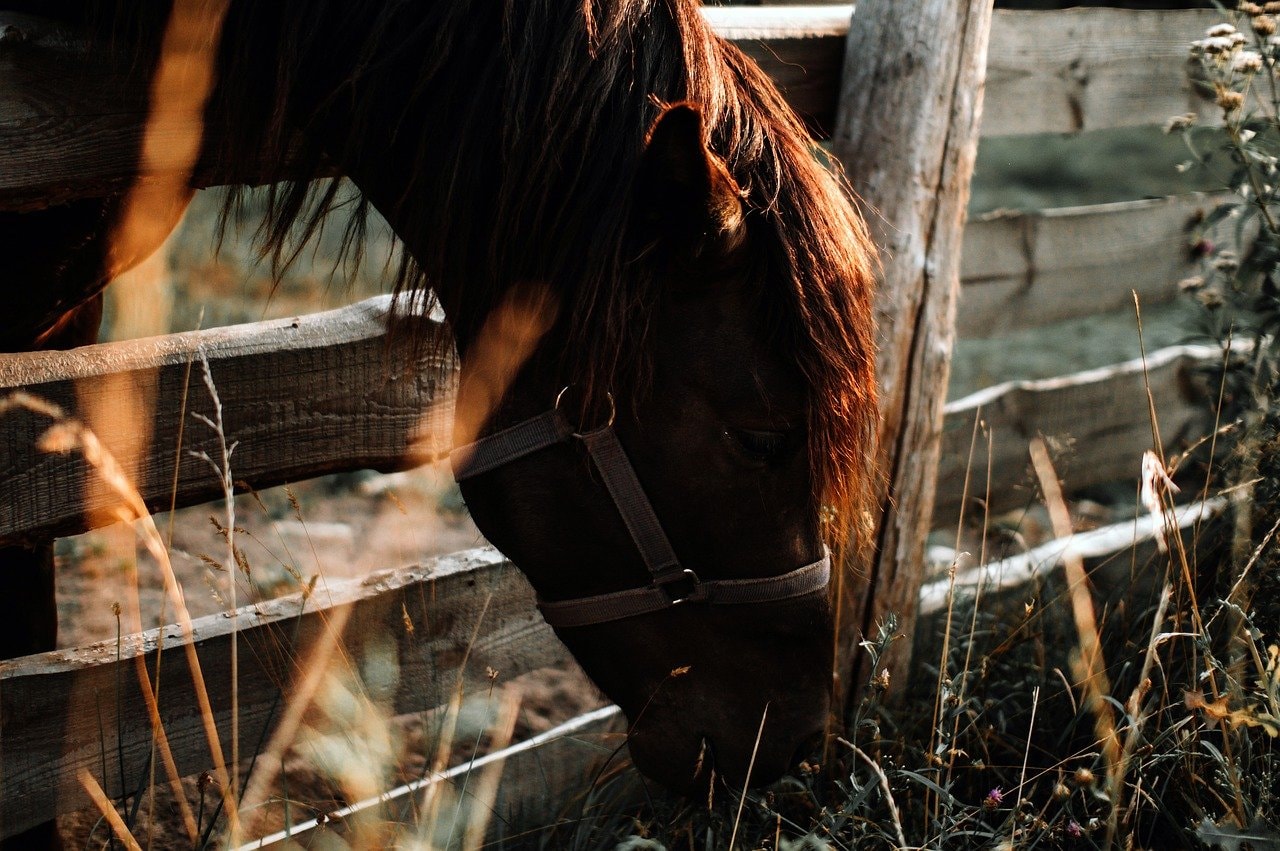
Chestnut horses are identified as reddish-brown horses. Typically, their shading is darker than their sorrel counterpart and can take on light coppery hues. Chestnut horses can have either a darker or lighter mane or tail, while other breeds have hair that blends in seamlessly with their coat colors.
A chestnut’s mane and tail color can often be confused with black. However, this is just an extremely deep red. Lighter chestnuts can be mistaken for palomino horses, especially if they have a flaxen mane. On the other end of the spectrum, liver chestnut horses have a coat so dark they can easily mistaken for black or bay.
Sorrel horse
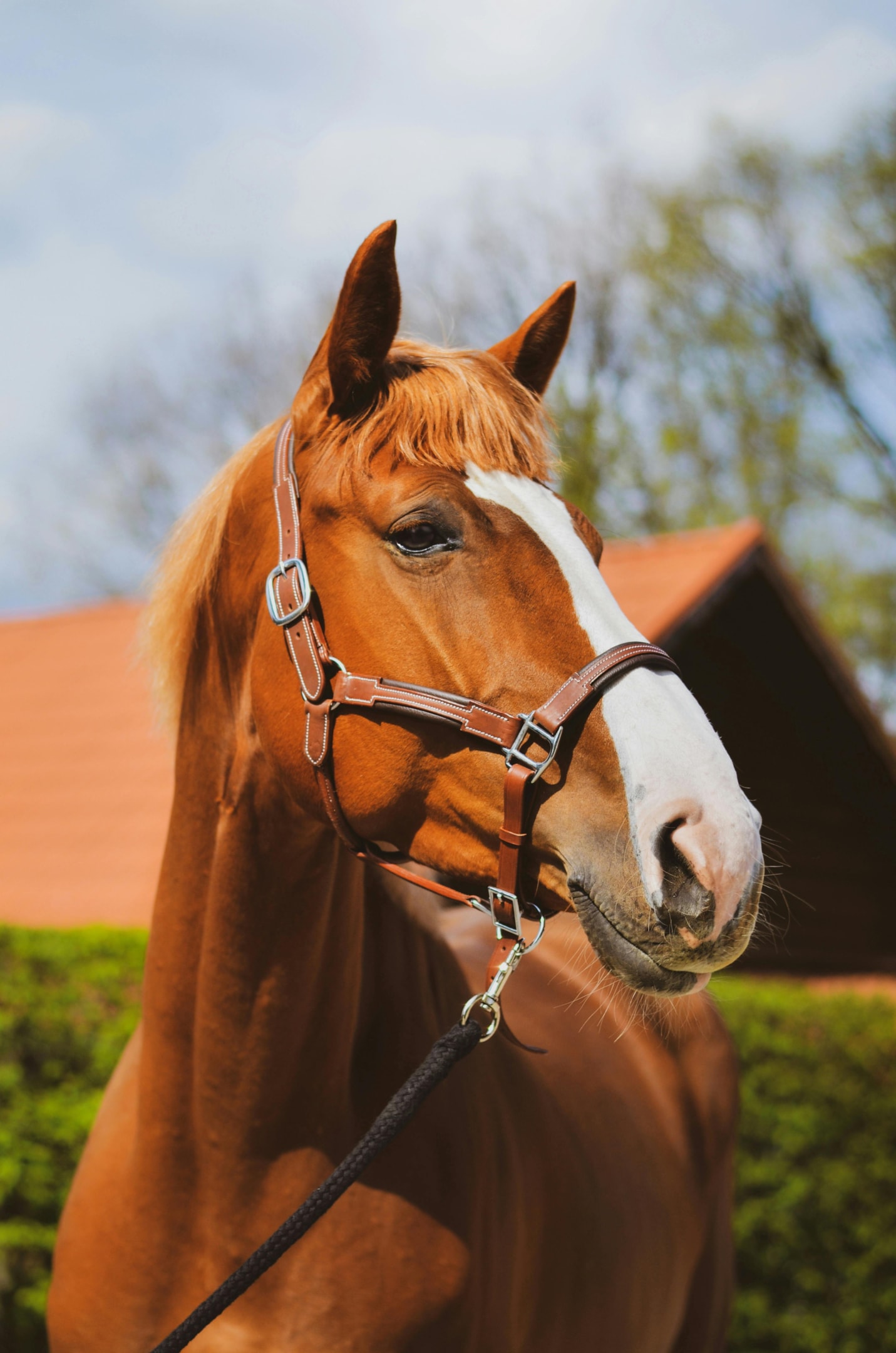
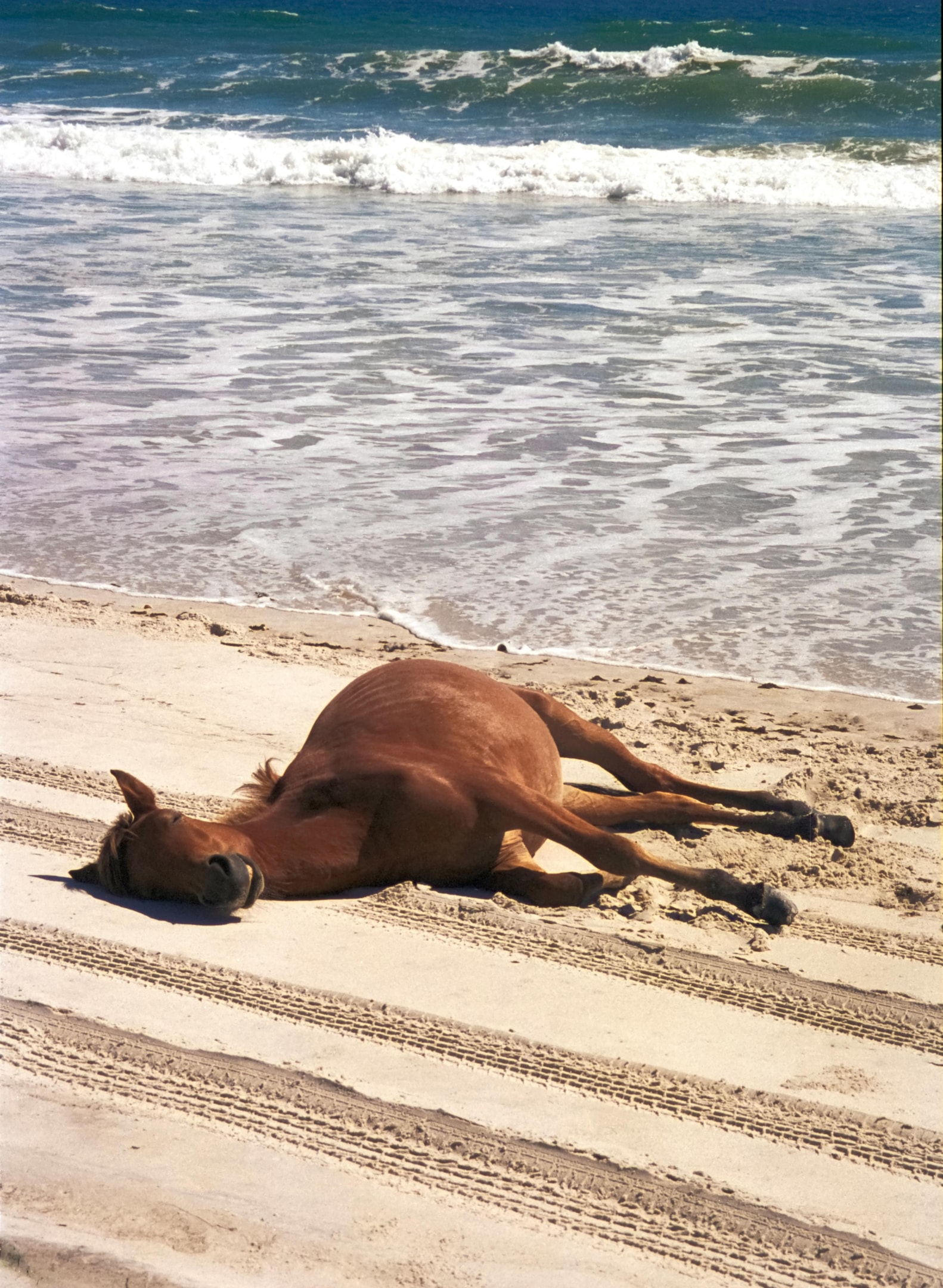
Sorrel horses have coats with a lighter, brighter shade of red that can sometimes appear almost yellow or orange. Sorrels may have white markings with a blonde mane and tail. Darker markings would class the red horse in the chestnut variety.
When describing the variants of this horse color, people often liken the shading of chestnuts to red wine and sorrels to that of a shiny penny.
Stallion and mare coloring
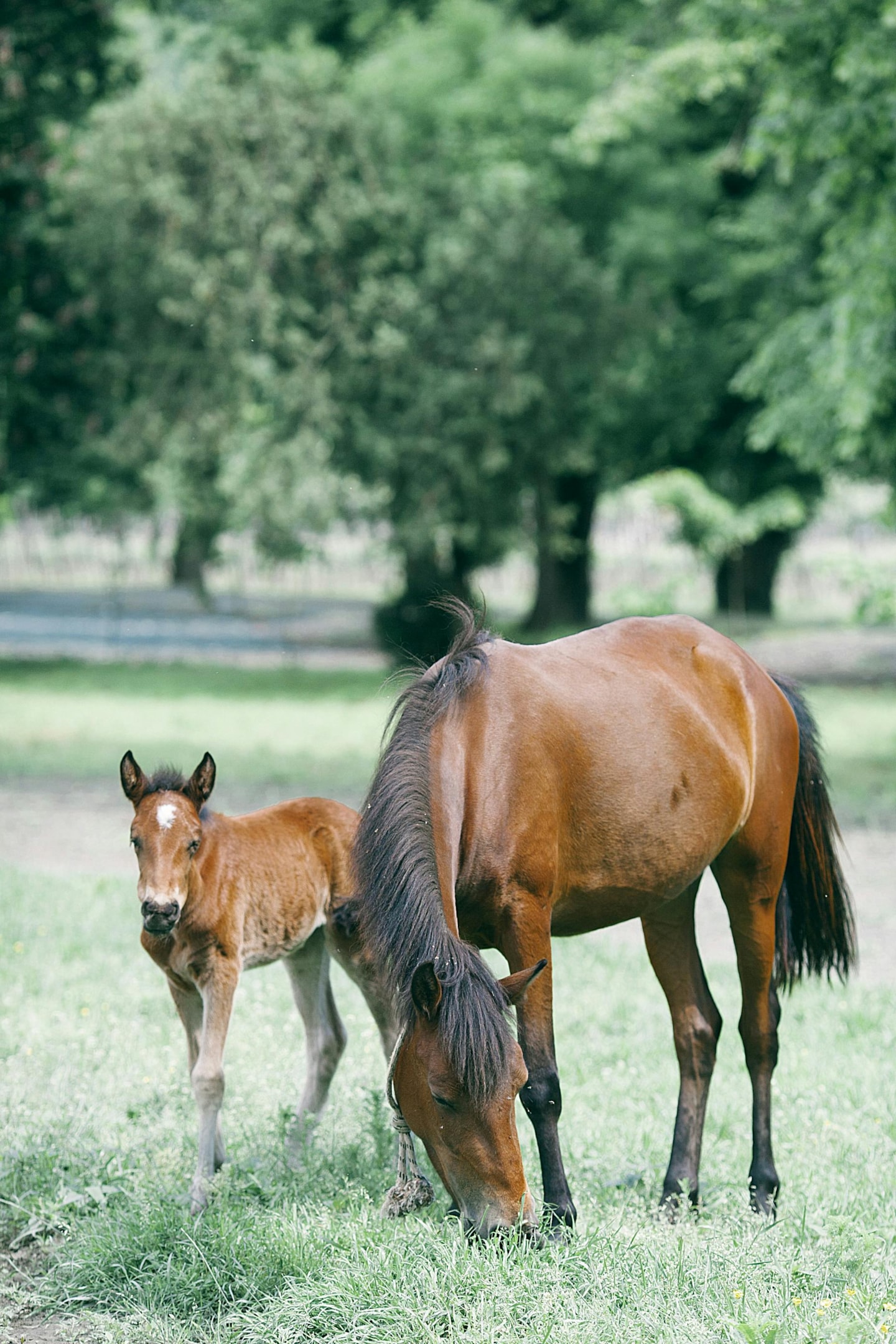
Chestnut and sorrel horses have inherited two copies of the recessive gene (one from each parent).
Two chestnut parents will always produce chestnut foals.
However, if one or both parents carry one copy of the chestnut gene and one copy of the black pigment gene, there is a 25% chance of producing a sorrel or chestnut foal. Parents with one copy of each gene are referred to as heterozygous.
Homozygous parents have two identical copies of a gene specific to a particular trait. If both parents are homozygous with the black pigment gene, they will produce black, bay, or other dark-colored horses, but never chestnut.
If one parent is a sorrel, for example, and the other is black or bay, there is a 50% chance of the foal being chestnut.
Breeds
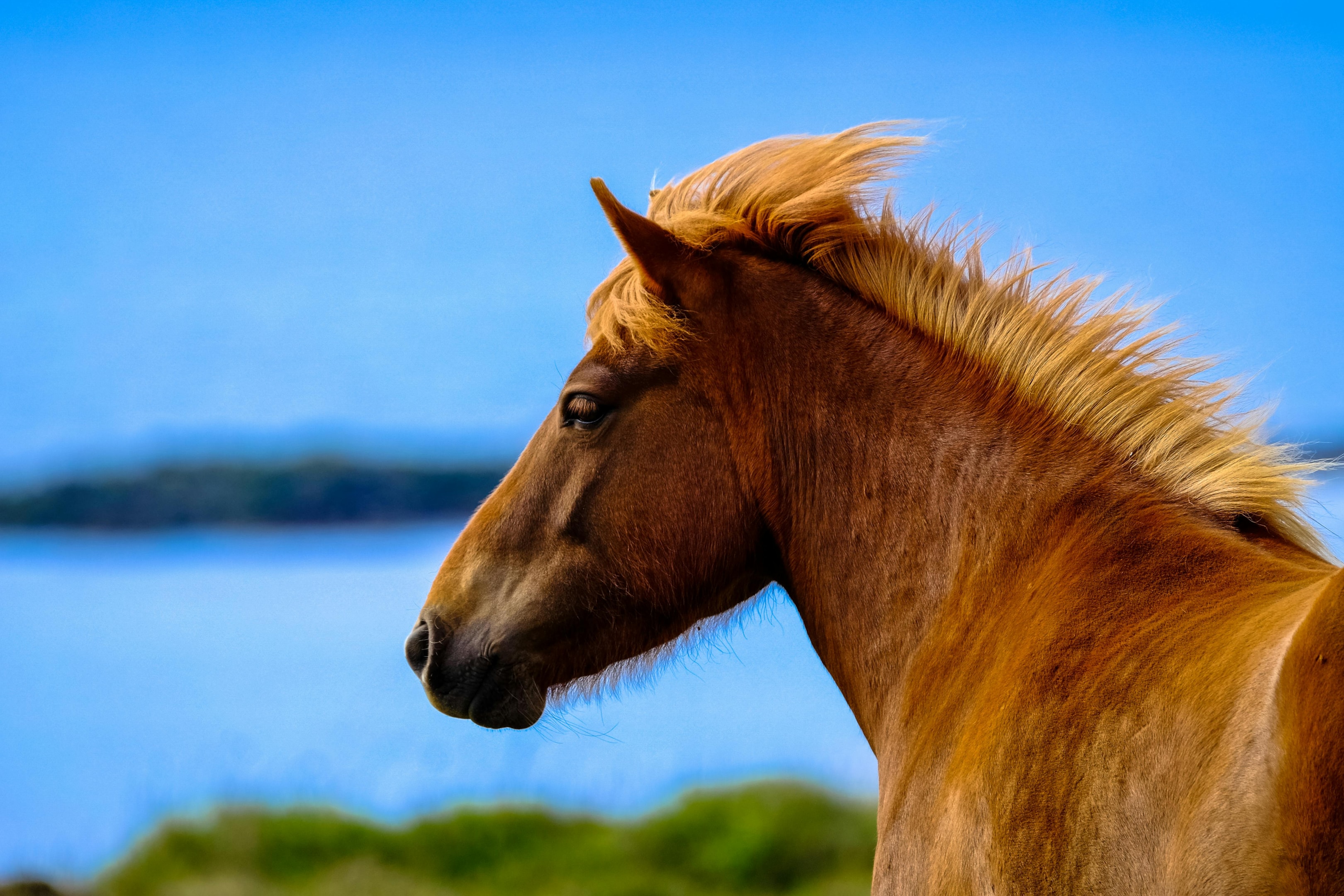
Sorrel and chestnut horses can appear in various horse breeds; however, some appear more prevalent than others.
Sorrel horses are most commonly associated with the Quarter horse breed. Other breeds with this coloring include:
- Tennessee Walking Horse
- American Paint horse (multi-colored patterns with a sorrel base)
- Appaloosa (spotted horses with a sorrel base)
- Belgian Draft Horse
- Mustang
Chestnut horses are most commonly found in the following breeds:
- Shires
- Thoroughbreds
- Irish Sport Horses
- Quarter Horses
- Morgan Horses
- Warmblood horse breeds such as Arabians
Costs
Other key attributes (besides their color) influence the cost of both sorrel and chestnut horses. These include pedigree, breed, age, gender, health and training.
To further illustrate the costs of sorrels and chestnuts, take a look at these asking prices:
- 2019 Chestnut AQHA Quarter Horse Mare: $17,000
- 2012 Sorrel AQHA Quarter Horse Mare: $35,000
- 2015 Sorrel APHA Paint Gelding: $10,000
- 2006 Chestnut APHA Paint Gelding: $15,000
- 2016 Sorrel Tennessee Walking Horse Mare: $6,000
As you can see, there are other important factors that influence the asking price.
FAQs
Where do chestnut and sorrel horses originate from?
Chestnut and sorrel horses occur across various breeds. Therefore, there is no distinct country of origin. You’ll find horses of this color in North America, Europe, and the Middle East.
Do red horse coats require additional care?
No, the color of the coat does not call for additional care. All horse’s coats should be cared for in the same way. However, sorrel horses with white markings may have more sensitive skin in those specific areas.
What other factors influence the coat color?
Sun exposure, age, and nutrition affect the appearance of the coat color. While these factors cannot change the base color, they can either enhance or dull the hues.
Regular sun exposure will have a lightening effect, whereas lack of sun will do the opposite. A good nutritional composition of horse feed will increase the depth and shine. And, just like humans go grey, horses may lose some of their youthful red glow as they age.
Final Thoughts
Some people may not be convinced that there is enough of a noticeable difference between chestnuts and sorrels to set them apart. However, true equine enthusiasts know that although it’s subtle, the difference is there.


