
Hinny vs Mule: Understanding Their Key Differences
Hinnies and mules tend to get mixed up with one another often. In fact, some people think that hinny is just the name for female mules (which is incorrect). This is mostly because they are both produced as a result of crossbreeding horse and donkey parents.
However, there is one fundamental difference between them that leads to many subtle differences. So, before we delve into those differences, we’ll first cover this key difference.
The Key Difference Between Mules and Hinnies
The key difference between mules and hinnies lies in parentage:
- Hinnies are the offspring of a female donkey and a male horse.
- Mules are the offspring of a horse mother and a donkey father.
Now, this difference in itself leads to a lot of differences in other areas, which we will explore in more detail later.
The History of Mules and Hinnies
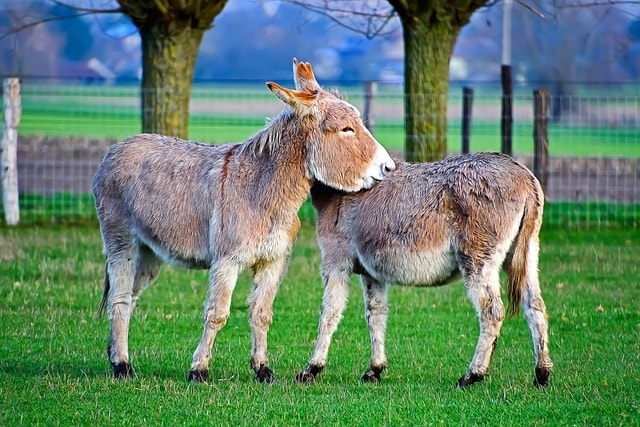
Crossbreeding horses and donkeys is a practice that dates back thousands of years, with the first recorded cases in regions such as Ancient Mesopotamia and Egypt.
Ancient civilizations noticed that these animals had hybrid vigor, making them more durable, less maintenance than horses, and generally stronger than donkeys.
Their uses have changed throughout history:
- They were first bred to aid in agriculture and transport. This remained their popular use all throughout Ancient times to the Middle Ages.
- With the Industrial Revolution, their use in agriculture and transport became less prevalent, but then they were used in warfare.
Producing mules is not as popular as it used to be; however, they are still bred in some locations for use in agriculture.
Size and Body Type
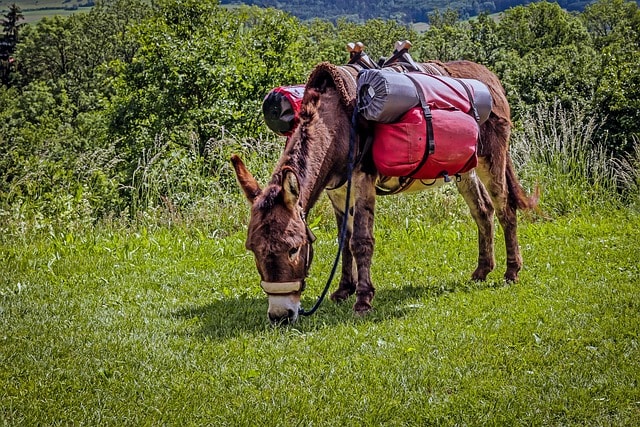
Despite both being donkey-horse hybrids, the different parentages of hinnies and mules result in some drastic physical differences. Let’s check out some differences in their size and body type.
Hinnies
Hinnies tend to be generally smaller than mules and may look more like ponies than a horse-donkey hybrid. They have a horse-like appearance on their face, combined with the body of a donkey. Their ears are shaped like a horse’s ear but a bit longer. They feature smaller, more compact bones and generally weigh between 600 and 800 pounds.
Mules
Mules are larger and often more robust than hinnies. In contrast to hinnies, they have a donkey’s head and physical qualities but are the size of a horse. Additionally, they have long ears that often droop and can weigh 1,000+ pounds, depending on the breed of the horse parent.
Color and Appearance
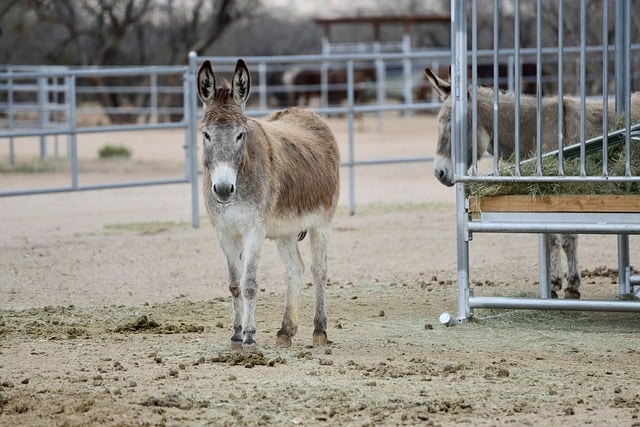
There are also slight differences between hinnies and mules in terms of coat color and other physical attributes. These are smaller differences that are harder to notice than their differences in build and body type.
Hinnies
Hinnies typically come in the coat colors of a donkey. Their manes and tails are similar to that of a donkey’s, with short, coarse hairs. Their bodies are similar to a donkey’s, too, with thicker legs and rounder bodies. Their ears are generally smaller than a mule’s.
Mules
Mules can come in any coat color or pattern a horse can. Due to their horse heritage, they have smoother coats, manes, and tails than donkeys. Their manes and tails also tend to be longer. They are often horse-sized but with a stockier build than most horses, which is most noticeable around their legs.
Temperament and Personality
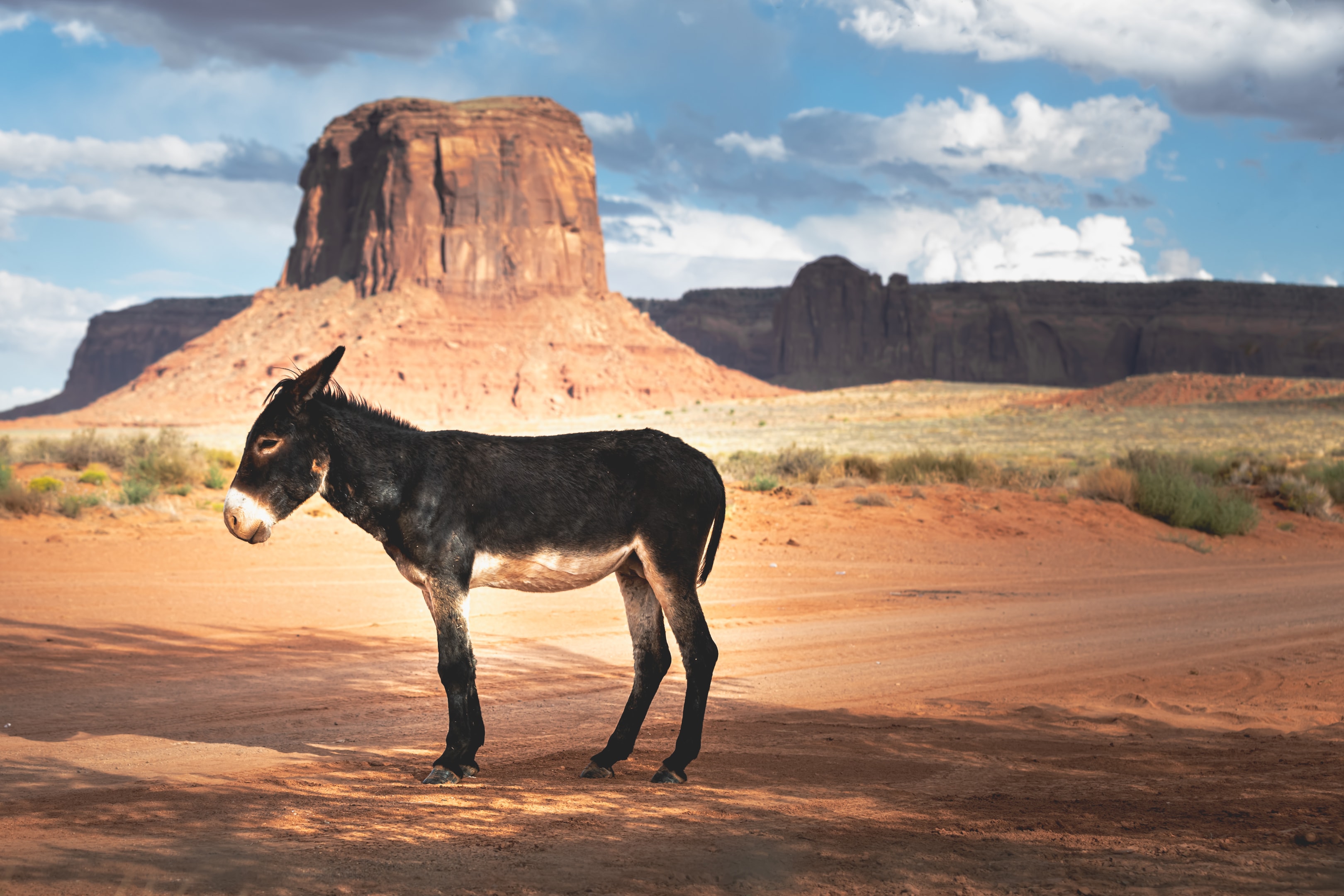
There are also key behavioral differences between hinnies and mules.
Hinnies
While generally calm and well-behaved, hinnies are a bit more reserved and independent than mules. They are also generally less intelligent than mules, not having adopted much of a horse’s social intelligence. They exhibit slow moves and may be uninterested in repetitive tasks, showing more stubbornness to avoid cooperating.
Mules
Mules form strong bonds with their handlers and are among the most obedient working animals. They inherit the intelligence of horses and the level-headedness of donkeys, making them perfect for various tasks. They are strong, extremely trainable, and generally calm. They are also quite observant and can easily learn new tasks.
Training
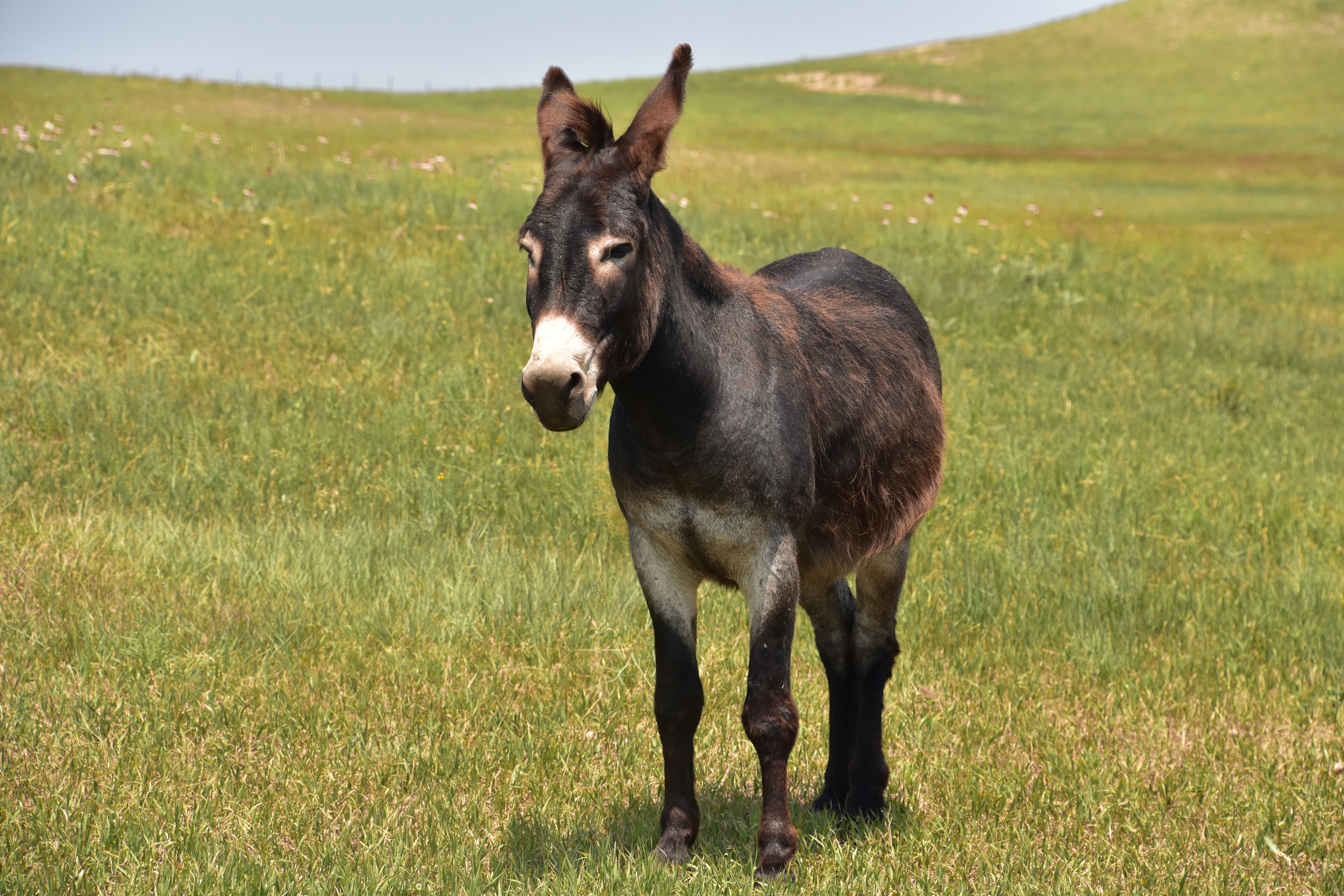
The behavioral differences reflect on various areas of their use, such as their training, maintenance, the purposes for which they are bred, and so on.
Hinnies
Due to their reserved nature, hinnies may show reluctance to cooperate when it comes to training, making it challenging but not impossible. It largely depends on how well the trainer can bond with them. But beware, being more antisocial than their hybrid counterparts, it may also be harder to bond with them.
Mules
Mules are naturally cooperative and attentive, so they can grasp new tasks easily. The only issue with them is that, as they are highly intelligent, they may refuse to do tasks they see as potentially threatening or scary. However, if they trust their handler or trainer well enough, they will often work through these challenges.
Riding

Hinnies and mules offer completely different riding experiences:
Hinnies
While hinnies are generally quite calm, riding them is not the easiest. The problem lies in their independent nature. They may be reluctant to learn how riding works, and even if they do, they might simply just ignore riding cues.
Mules
Mules are more receptive to cues than hinnies. They tend to be obedient and are better at carrying loads long distances, making them the perfect to ride. Mules also have a more comfortable gait than hinnies for most riders.
Maintenance
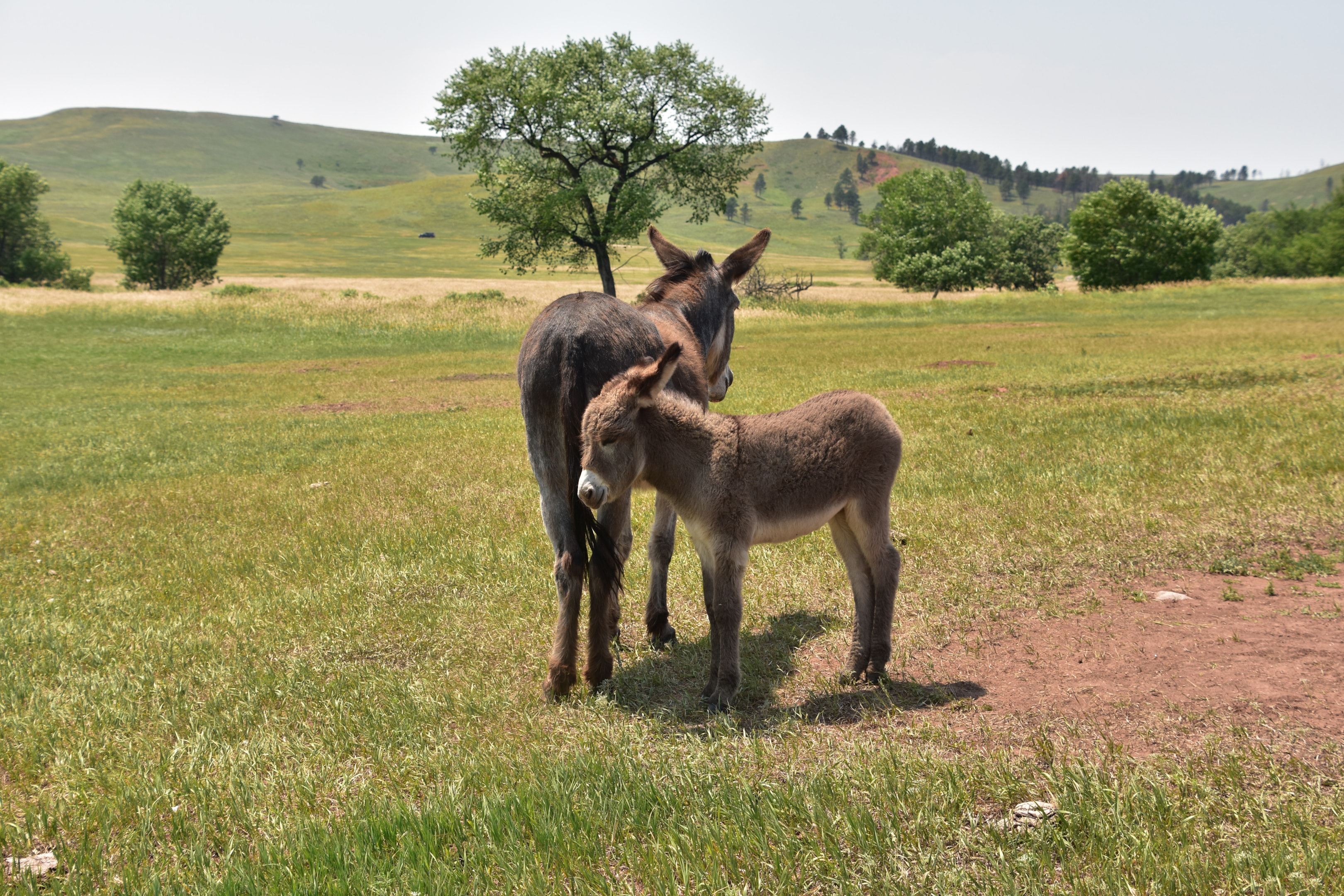
In this section, we’ll cover what owners need to do to make sure their mules and hinnies are happy and healthy.
Hinnies
Hinnies are the more fragile of the two crossbreeds. They require a low-starch, low-sugar diet and can be prone to obesity if overfed. They are also more sensitive to cold and wet weather conditions, as this can be damaging to their hooves. However, they are more introverted than mules and require less social interaction.
A healthy hinny living in the right conditions will require less maintenance than a mule. However, they are more prone to health issues. If kept healthy, a hinny can live up to 40 years.
Mules
Mules require more maintenance but can thrive in pretty much any weather or environment. They need a highly nutritious diet, regular hoof care, moderate grooming, and more interaction with handlers to maintain their mental health.
Similar to a hinny, a healthy and well-maintained mule can live up to 40 years.
FAQs
What is better, a mule or a hinny?
In terms of trainability, versatility, strength, and intelligence, many people would probably prefer a mule.
Why are hinnies rare?
Hinnies are rarer than mules due to the challenges that occur when crossbreeding a horse stallion and donkey mare.
Can a hinny and mule reproduce?
Both mules and hinnies are sterile 99.9% of the time. This is why they cannot be classified as true species. They are rather classified as hybrids because true species must have the ability to reproduce.
Final Thoughts
Mules and hinnies are hybrid equines bred from a horse and donkey parent. Mules, which are the offspring of a male donkey and a female horse, tend to be larger, more intelligent, cooperative, and stronger. Hinnies, born of a male horse and a female donkey, tend to be smaller and more independent. Both live generally long and are good at doing work involving strength and endurance.


