
Miniature Horse vs Pony: The Key Differences

Ponies and miniature horses may appear very similar to someone who doesn’t know much about horses. However, there are a few behavioral and biological differences that you should know about.
In this article, we’ll explore some of the unique characteristics of both miniature horses and ponies.
Size Differences: Miniature Horse vs Pony

The main difference between miniature horses and ponies is their size. While full-sized horses are defined as being 14.2 hands high or more at the withers, ponies measure less than 14.2 hands.
Miniature horses, also known as tiny horses, have a maximum height of 34 inches (9.5 hands) at the withers.
Proportional differences
Ponies’ proportions are usually slightly different from horses, with ponies having wider barrels, shorter legs, and thicker necks. Ponies are known for being stockier than horses, as well as having thicker coats, tails, and manes.
In contrast, mini horses are bred to resemble full-sized horses and are known for having long necks, straight legs, and short backs in relation to their bodies. They basically look like shrunken-down versions of large horses, which adds to their appeal.
Historical Influences

The first documentation of miniature horses was recorded in the Palace of Versailles. King Louis XIV was known for his fascination with unusual creatures and kept a zoo filled with all sorts of animals, including miniature horses.
Miniature horses were later brought to America, where they worked in coal mines and underground tunnels because of their small size. At a similar time in history, tiny horses were being bred in South America for similar purposes.
Ponies have been around for centuries and have served a wide variety of purposes throughout history. While many ponies existed freely in the wild, others were captured and bred to work in agriculture or coal mines.
Ponies arrived as domesticated stock in America in the early 1800s and were used as both working and riding animals. Thanks to their hardiness and capability to handle rugged terrain, ponies were often used for pulling carts across long distances.
Modern Purposes

These days, most ponies are used for riding. They are perfect for both children and smaller adults, with most riding schools using ponies for lessons. These compact creatures can be used in a diverse variety of equestrian sports, including:
- Jumping
- Eventing
- Driving
- Cross-country
Miniature horses are typically used as companion animals or therapy animals and are usually treated the same way in which you’d treat pets. Some miniature horse owners even allow their tiny horses to sleep inside the house.
Because of their small size, miniature horses cannot be ridden by anyone except very small children.
Different Breeds
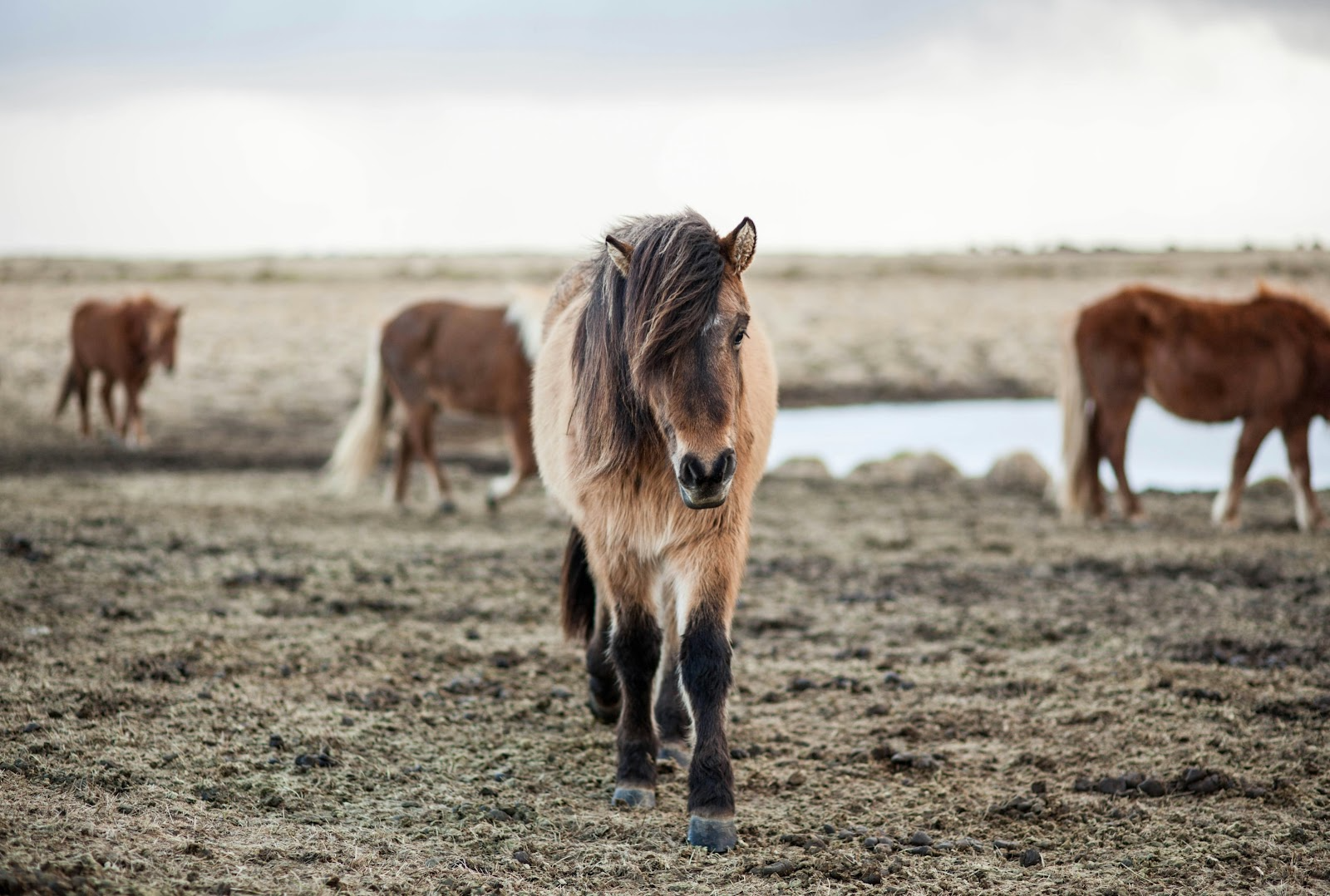
Specific equine breeds typically fall into the category of either pony, horse, or miniature horse.
Ponies
Some of the most common pony breeds include:
- Shetland pony
- Welsh pony
- New Forest pony
- Konik pony
- Fell pony
- Dartmoor pony
- Connemara pony
- Arabian pony
Miniature horses
When it comes to miniature horses, the mini horse is a breed in and of itself. However, the Falabella horses of Argentina also fall into the miniature horse category.
It is thought the adorable small stature of shetland ponies is what inspired breeders to start breeding miniature horses. Another difference to keep in mind is the fact that most pony breeds are naturally occurring while miniature horse breeds have been intentionally created by humans.
Biological Differences

Before we discuss the biological differences, it’s important to take note of the many biological similarities shared by horses, ponies, and minis, including:
- The same number of teeth
- Identical digestive systems
- Identical respiratory systems
- Identical musculoskeletal systems
This means that ponies and mini horses usually require the same types of care and preventative veterinary treatments. However, ponies have a biological advantage in that they are typically hardier and more robust. Ponies don’t require as many calories and can survive in harsher conditions—making them easier to care for.
Miniature horses, with lifespans of between 25 and 35 years, usually live five to 10 years longer than ponies.
Space Requirements
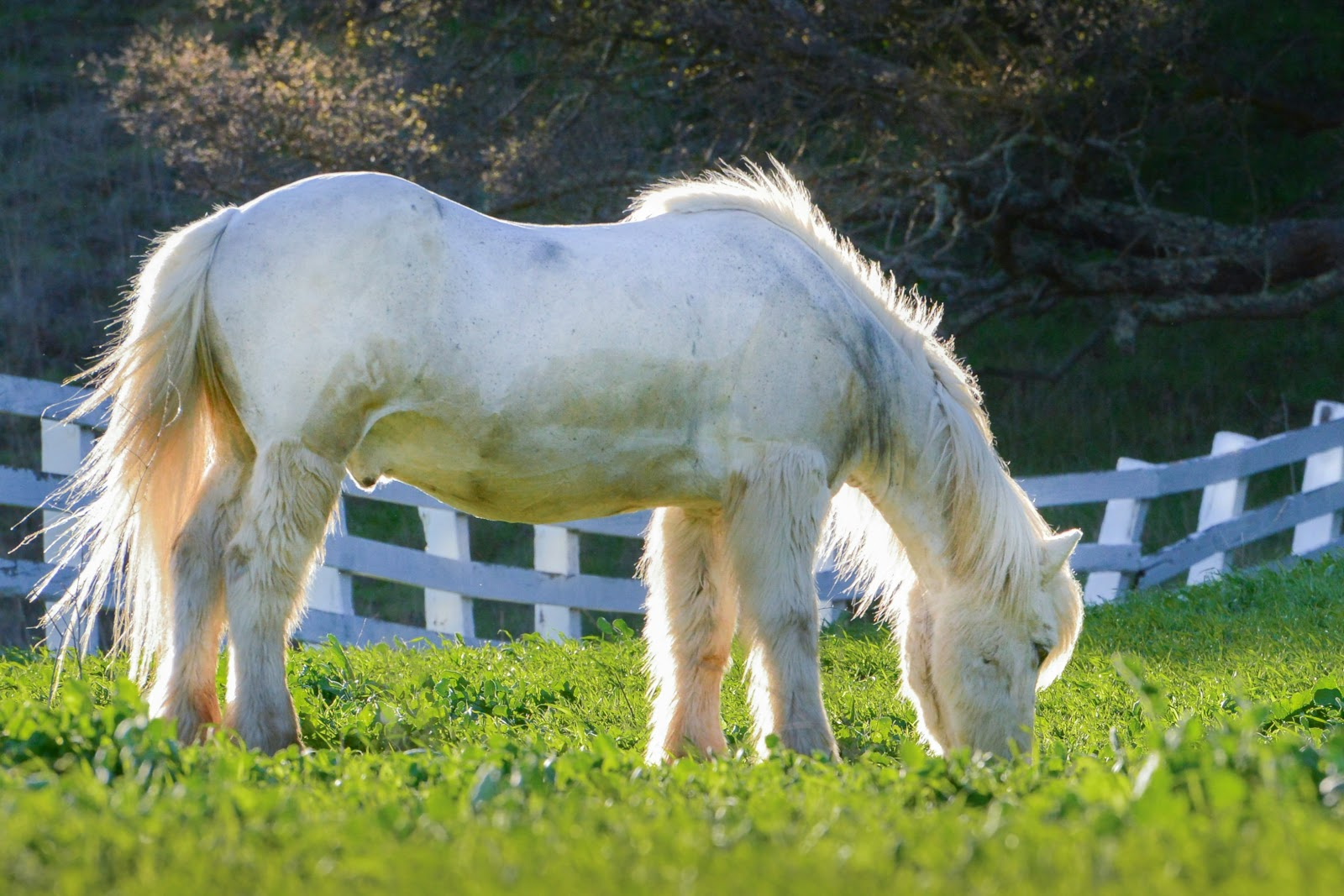
Ponies require significantly more space than mini horses for roaming and grazing. Most experts recommend that you provide at least one to two acres of land per pony, depending on the pony’s age and size.
Miniature horses don’t require nearly as much as that. Around 200 square feet should be enough. This is why mini horses are better suited for smaller properties.
Remember that both ponies and miniature horses require exercise. If your horse is overweight, they could face all types of complicated and expensive health issues.
Behavioral Differences

There aren’t any differences between horse and pony brains (except in size). However, ponies are known for being incredibly intelligent and even a bit naughty, often outsmarting their riders in innovative ways.
Miniature horses differ in that their personalities are usually more docile than ponies. Mini horses are known for being gentle, curious, and easy to train. However, an individual horse’s personality will also depend on their environment and how they were raised.
FAQs
Is a pony just a small horse?
Yes. Essentially, ponies are just small horses. Typically, horses are over 14.2 hands, while ponies are under 14.2 hands.
What are the disadvantages of miniature horses?
Miniature horse breeds are prone to a few different complications, including dwarfism mutations, obesity, dental issues, and difficult births. Therefore, they can be difficult and expensive to care for, especially in their older years.
Can miniature horses be ridden?
Miniature horses should only be ridden by children weighing around 66 lbs or less. Anyone heavier than this could cause injury to the mini horse.
Final Thoughts
While miniature horses and ponies have more similarities than differences, it’s essential to understand their unique qualities. If you’re trying to decide between purchasing a pony and a miniature horse, you should consider:
- Whether you want a companion animal or a riding animal
- How much space you have for the mini horse or pony
- What type of temperament you’re looking for
- The maintenance requirements and costs
Keep in mind that different miniature horse and pony breeds have different characteristics. Additionally, each individual animal has its own personality, medical history, and physical capabilities.


